
Explore the latest web design trends that enhance user experience and keep your website modern and engaging.
 Mark Kohler
 5 minutes
 October 12, 2026

Choosing a website partner can feel like comparing apples to oranges. One provider talks about design, another emphasizes technology, and a third promises fast results. But how do you know which one will actually support your business goals? It should combine strategy, usability, security, performance, and ongoing support. When evaluating web development services, small businesses should focus on what the provider can deliver today and how well the solution can adapt as the business grows.
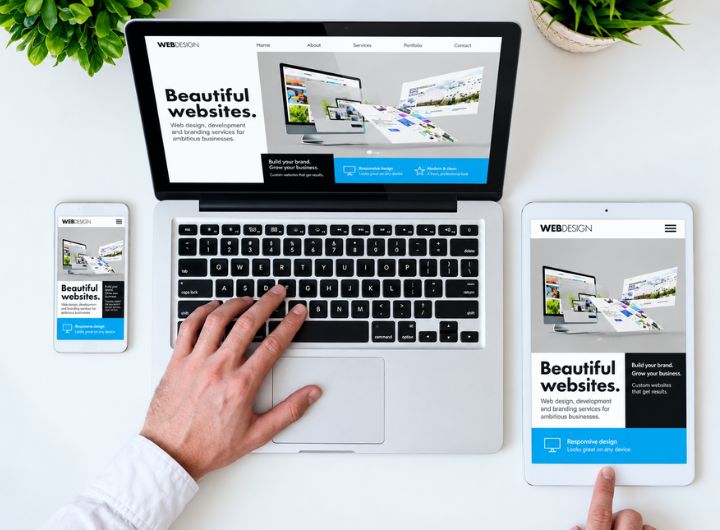
Your website needs to work comfortably on phones, tablets, laptops, and desktop computers. Google recommends responsive web design as an effective approach for creating mobile-friendly websites, while mobile-first indexing means Google primarily uses the mobile version of a site for indexing and ranking.
A website can look excellent and still struggle to attract organic traffic if its technical foundation is weak. Look for a provider that understands crawlable links, logical page structures, descriptive metadata, image optimization, redirects, and appropriate heading structures.
Website speed affects both usability and the overall experience visitors have with your business. Ask whether the provider monitors performance and understands Core Web Vitals, which measure loading performance, responsiveness, and visual stability.
Security should receive equal attention. Confirm that HTTPS is configured correctly, software is maintained, backups are available, and responsibilities for updates are clearly defined.
Small businesses rarely stay exactly the same. You may add services, launch an online store, create new landing pages, integrate scheduling software, or expand into another market.
For that reason, avoid choosing a provider solely because it offers the lowest initial quote. Instead, when choosing web development services, ask how easily the website can be expanded and whether you will have appropriate access to your content and website platform.
Technical skill means little if you cannot get clear answers when something goes wrong. Before choosing a provider, establish who your primary contact will be, how revisions are handled, what is included in the project fee, and what happens after launch.
A provider’s service offering should also match your needs. For example, web development services may include different levels of customization, functionality, and technical support depending on the project.

Also read: Important Website Features Every Business Needs in 2026
A website is not a one-time digital brochure. It becomes part of your sales, marketing, customer-service, and brand infrastructure. The provider you select should therefore be capable of supporting improvements after launch, whether that means refining page performance, adding functionality, expanding content, or addressing technical issues.
For small businesses seeking a partner that combines design, development, SEO, hosting, and ongoing guidance, Lacuna Web offers a range of digital services tailored to business needs. So, check it out now.
A web solutions provider can plan, design, develop, host, maintain, and improve a business website. Depending on the provider, services may also include SEO, content, integrations, security, and ongoing technical support.
Look beyond the initial project price. Compare development costs with hosting, maintenance, software licenses, content updates, integrations, and future changes to understand the website's total cost of ownership.
Templates can work for straightforward requirements, while custom development may be more appropriate when a business needs unique functionality, integrations, specialized layouts, or room for substantial future expansion.

Hey there! I’m Mark Kohler, the proud owner of this web design company. My passion is helping businesses build a strong and memorable online presence through creative, modern, and results-driven design solutions. Along with my talented team, I work closely with clients to deliver innovative website designs and effective SEO strategies that help brands grow, stand out, and succeed in the digital world. We’re here to make the entire process smooth, collaborative, and tailored to your unique goals.
 778-373-7701
 778-373-7701
 info@lacunaweb.com